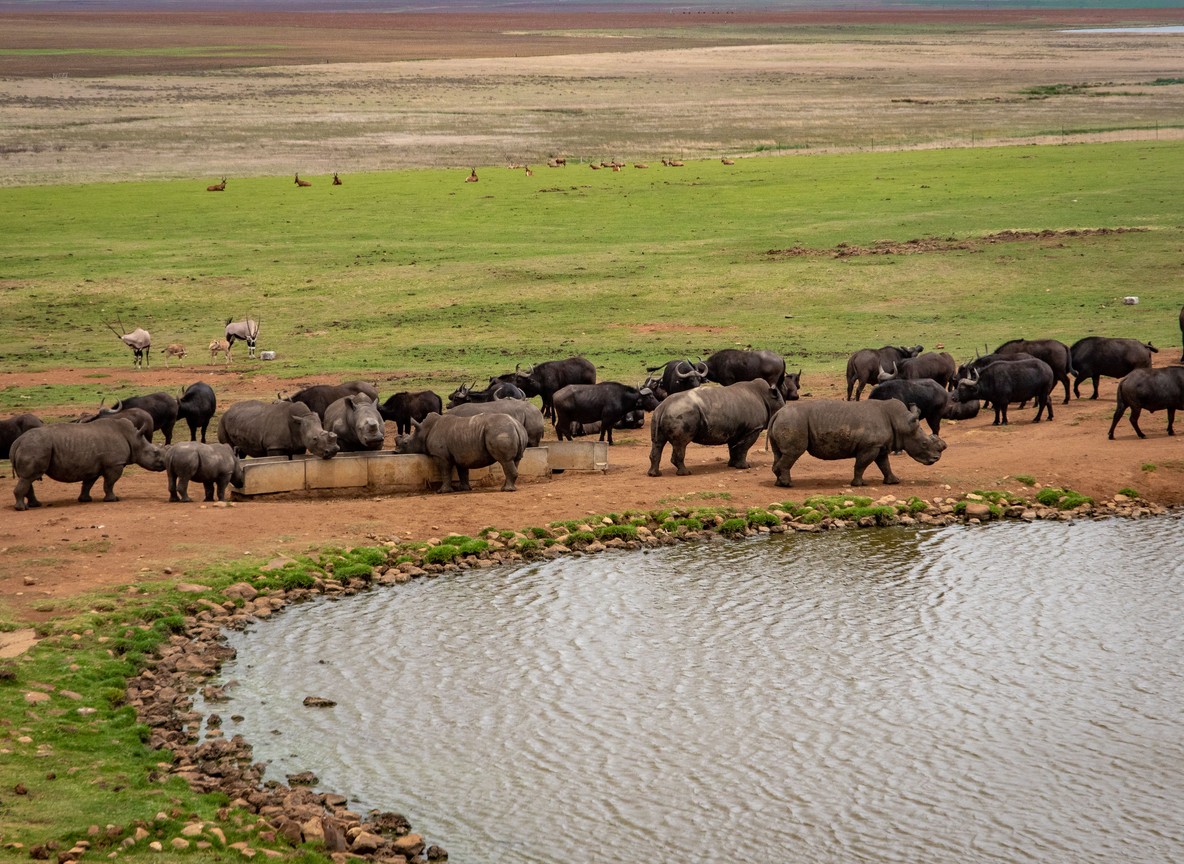
Kenya’s black rhino population passed 1,000 animals in 2026, up from fewer than 400 in the 1980s. That recovery took decades of fence-line patrols, ear-notching, and daily monitoring, and much of it still runs on a mix of paid rangers and outside volunteers. If you are searching for a volunteer rhino conservation program in Kenya, the reality is more structured than the brochure photos suggest. Touring Insights breaks down what these programs actually involve, which conservancies run them, and what a realistic budget looks like before you book.
What a Rhino Conservation Volunteer Actually Does
Almost no program lets volunteers touch or feed a wild rhino. Habituating a rhino to humans creates a lasting safety risk for rangers and for the animal itself. Instead, most placements center on monitoring and support work. A typical week includes vehicle-based rhino ID patrols, camera trap checks, fence line walks, and data entry for sighting logs. Some conservancies add community-facing work, like school conservation talks or beehive fence maintenance used to reduce human-wildlife conflict.
Physical fitness matters more than most applicants expect. Patrol days start before sunrise and involve long hours in a vehicle or on foot over rough terrain. Programs generally set a minimum age of 18, and a few accept volunteers from 16 with a guardian.
Ol Pejeta Conservancy: Kenya’s Largest Black Rhino Sanctuary
Ol Pejeta Conservancy sits in Laikipia County, about 200 km north of Nairobi, roughly a 3.5 to 4 hour drive, or a 45-minute flight into Nanyuki Airstrip. The conservancy covers 364 km2 (90,000 acres) and holds more than 155 black rhinos, the largest population of the species in East Africa. It is also home to Najin and Fatu, the world’s last two northern white rhinos, kept under round-the-clock armed guard.
Ol Pejeta does not run open-enrollment hands-on rhino volunteering for safety reasons. What it does offer is a paid Rhino Keeper Experience, a half-day add-on where visitors join keepers for feeding routines and health checks on the sanctuary’s resident southern white rhinos, plus research attachments arranged directly with the conservancy for students and vetted conservation groups.
Lewa Wildlife Conservancy: Research-Led Rhino Monitoring
Lewa Wildlife Conservancy covers 250 km2 in Meru and Isiolo counties, about 240 km from Nairobi, roughly a 4 to 5 hour drive or a 40-minute flight to Lewa Downs Airstrip. Lewa is one of Kenya’s original rhino sanctuaries and helped anchor the national recovery plan that pushed the black rhino count past 1,000 in 2026.
Lewa’s volunteer access runs mainly through its research and conservation internship pathway, aimed at university students and early-career conservationists rather than short-stay tourists. Placements involve ID tracking, GPS collar data review, and support for the annual Rhino Charge fundraiser logistics each June.
Sera Conservancy: Community-Owned Rhino Tracking
Sera Conservancy in Samburu County is East Africa’s only community-owned black rhino sanctuary, reintroduced with rhinos from Lewa and Nairobi National Park starting in 2015 and now home to roughly 23 black rhinos. It sits about 300 km north of Nairobi, reached by a fly-in to Kalama or Loisaba airstrip followed by a road transfer, or a long 7 to 8 hour drive.
Sera partners with Saruni Rhino camp for guided rhino tracking on foot with armed community scouts, a paid guest activity rather than a volunteer placement. It is worth including here because it shows an alternative model: community ownership and tourism revenue funding rhino protection directly, instead of an outside volunteer workforce.
How Third-Party Volunteer Organizations Fit In
Since the conservancies themselves limit direct hands-on access, most people who search for a volunteer rhino program end up booking through a third-party sending organization such as African Impact or GVI (Global Vision International). These groups run multi-week wildlife conservation placements based near conservancies in Laikipia or the Maasai Mara ecosystem, where rhino monitoring is one part of a broader wildlife program alongside big cat and elephant work.
Before booking with any sending organization, ask three questions directly: which named conservancy hosts the placement, what percentage of your fee reaches that conservancy, and whether a conservancy staff member can confirm the partnership. A program that cannot name its host conservancy is a red flag.
Comparing Kenya’s Main Rhino Conservation Access Points
| Site | Rhino population | Access type | Distance/time from Nairobi | Indicative cost |
|---|---|---|---|---|
| Ol Pejeta Conservancy | 155+ black rhinos, 2 northern white rhinos | Rhino Keeper Experience (paid add-on), research attachments | approx. 200 km / 3.5-4 hrs drive, or 45-min flight to Nanyuki | indicative $90-110/day conservancy fee plus $150-250 experience add-on |
| Lewa Wildlife Conservancy | Black and white rhino population, part of national 1,000+ total | Research/conservation internship pathway | approx. 240 km / 4-5 hrs drive, or 40-min flight to Lewa Downs | indicative $100-140/day conservancy fee, internship fees vary by placement |
| Sera Conservancy | approx. 23 black rhinos | Guided rhino tracking on foot (paid guest activity) | approx. 300 km, fly-in plus transfer, or 7-8 hrs drive | indicative $150-250 per tracking excursion |
| Third-party programs (African Impact, GVI, Laikipia/Mara-based) | Varies by host conservancy | Multi-week volunteer placement | Based near host conservancy | indicative $700-1,200/week including accommodation and meals |
Confirm all fees directly with the conservancy or sending organization before booking. Rates change and often shift with season.
What a Realistic Budget and Timeline Look Like
Most reputable placements run a minimum of one to two weeks, with many organizations recommending three to four weeks to make the training investment worthwhile for the host conservancy. Weekly costs typically bundle accommodation, meals, in-country transport, and a conservation project fee. International flights, Kenya visas, and travel insurance sit outside that weekly figure.
Budget an extra buffer for the Kenya eVisa application fee and for any conservancy day-visitor fees if your placement includes side trips to sanctuaries you are not directly working with.
Questions to Ask Before You Sign Up
Ask for the name of the specific conservancy or sanctuary hosting your placement, not just a region. Ask how long the organization has operated there, and whether past volunteers can be contacted. Ask what happens to your project fee if a placement is cancelled or shortened. A program with clear, specific answers to all three is far more likely to be delivering real conservation value rather than a branded safari with a volunteering label attached.
Explorer Notes
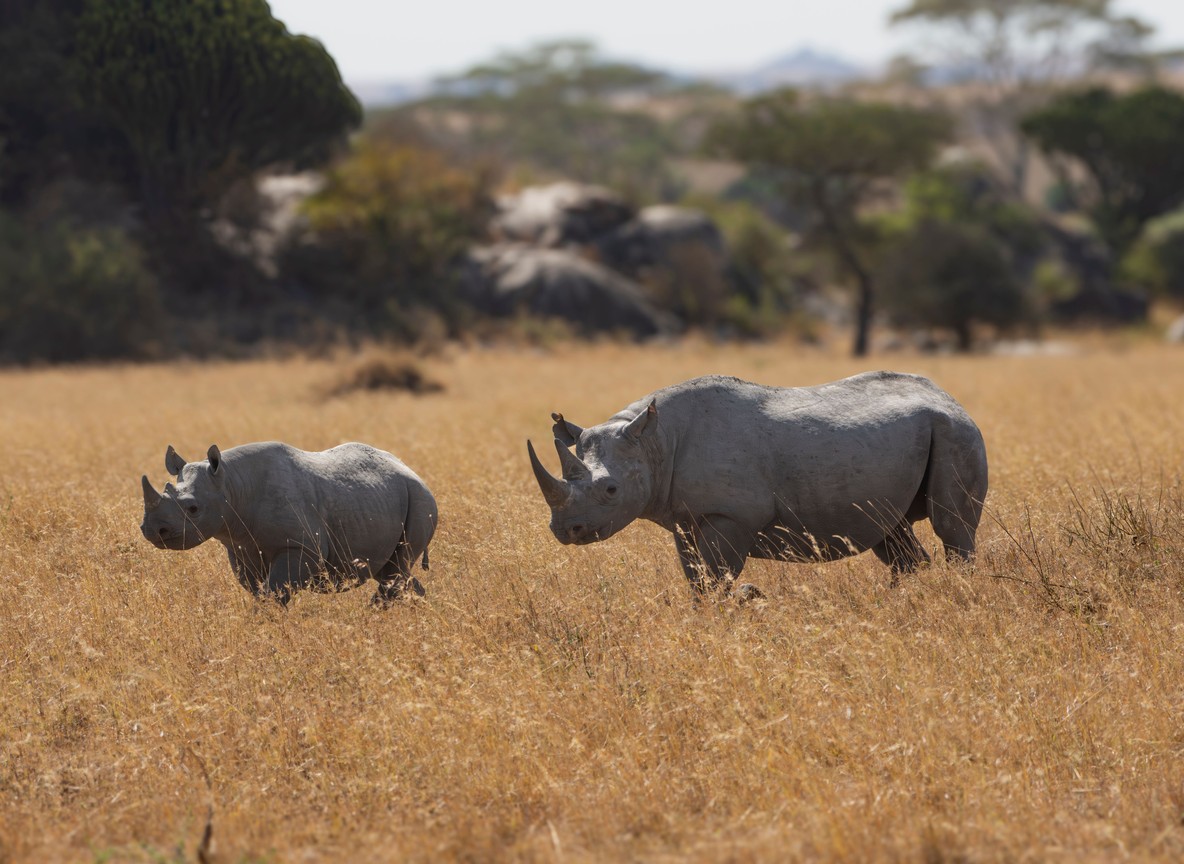
Ask your host conservancy for their rhino ID book before your first patrol. Most track individual rhinos by ear-notch pattern and horn shape, and learning to spot a handful of named animals turns a monitoring shift from abstract data entry into something you actually remember. Pack neutral-colored clothing, since bright colors can spook game during foot patrols near Sera. If your placement includes camera trap checks, bring a spare set of AA batteries. Conservancies often run through their own stock faster than restock schedules allow.
FAQ
Can volunteers touch or feed wild rhinos in Kenya? No. Reputable conservancies avoid habituating wild rhinos to humans for safety reasons. Hands-on contact, where it exists at all, is limited to sanctuary-based southern white rhinos in supervised paid experiences like Ol Pejeta’s Rhino Keeper Experience.
How much does a Kenya rhino volunteer program cost? Multi-week placements through organizations like African Impact or GVI typically run an indicative $700-1,200 per week, covering accommodation, meals, and project fees. Confirm current rates directly with the organization.
Which Kenyan conservancy has the most rhinos? Ol Pejeta Conservancy in Laikipia holds more than 155 black rhinos, the largest black rhino population in East Africa, plus the world’s last two northern white rhinos.
Do I need experience to volunteer on a rhino conservation project? No prior conservation experience is required for most entry-level placements, though a reasonable fitness level and comfort with early starts and rough terrain matter more than any credential.
Is Sera Conservancy open to volunteers? Sera is a community-owned sanctuary that offers paid guided rhino tracking on foot through Saruni Rhino camp, rather than a standard multi-week volunteer placement.
What to Read Next
- Curious how Kenya’s national rhino numbers got here? Read our Kenya black rhino recovery plan guide.
- Want the full population picture before you choose a site? See our Kenya black rhino population milestone piece.
- Planning a white rhino sighting instead of a volunteer placement? Check where to see white rhinos in Kenya.
A volunteer placement is a serious commitment, not an add-on to a holiday itinerary. If you would rather experience Kenya’s rhino conservancies as a guest, visit our Tour Packages page or ask a partner operator to build a Laikipia or Samburu rhino sanctuary visit into your safari route.
Further reading
More safari planning resources
- Ol Pejeta and Sweetwaters safari package from Valley Safaris
- Is Kenya safe to visit? on Touring Insights
- Big Five safari collection on FindMySafari
- Nairobi to Maasai Mara route guide from Valley Safaris
Related guides: Kenya’s Elephant Translocation Program: Mwea to Aberdare.